Tongkat Ali vs Fadogia: What to Choose and for Whom
The pair 'tongkat ali + fadogia' became fashionable thanks to podcasts about testosterone. But when choosing between them, the answer is determined not by popularity, but by the availability of human studies and safety data. Our editorial team laid out the choice.
Why this pair became popular
Interest in combining tongkat ali and Fadogia agrestis rose sharply after 2021, when it began to be discussed in popular science podcasts. Since then, dozens of products with fadogia have appeared on the market, and queries of 'tongkat or fadogia' have become common on training and 'biohacking' forums.
The logic usually proposed looks like this: fadogia supposedly stimulates testosterone production, and tongkat increases the share of its free fraction. It sounds convincing, but for one of the plants this scheme is not backed by any human study, and for their combination - by none at all.
Before choosing, our editorial team advises asking yourself three questions. Do I have a confirmed reduction in testosterone? Am I ready to take a substance with unknown safety? And are my basics in order - sleep, weight, nutrition, training?
The answers to these questions are often more important than a comparison of the plants themselves.
When tongkat ali may make sense
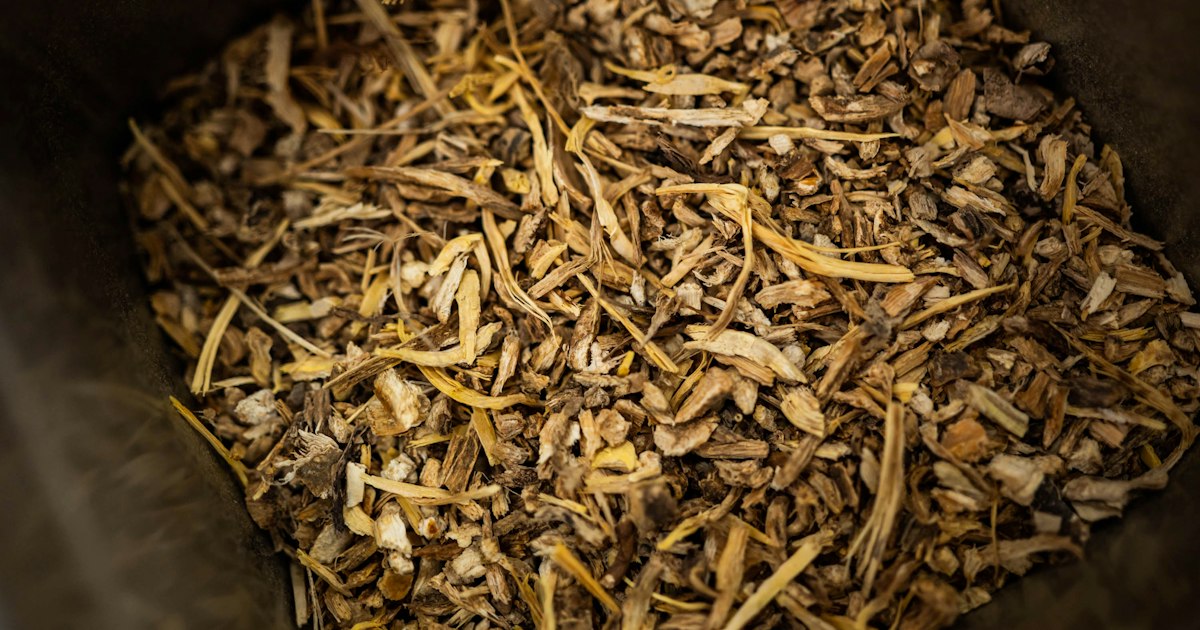
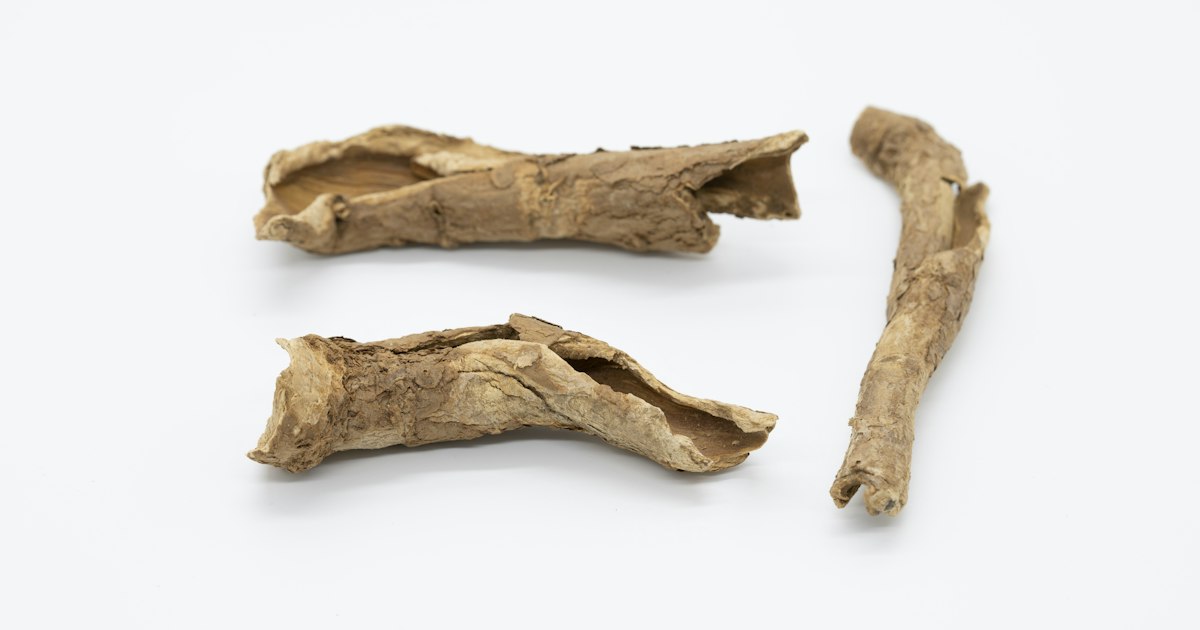
Tongkat ali is the only one of the two options for which randomized studies and a meta-analysis exist. According to Leisegang et al. (2022), it moderately raises total testosterone, especially in men with a reduced baseline level. Tambi et al. (2012) described positive changes in men with age-related hypogonadism.
Therefore tongkat can be considered by middle-aged and older men with borderline testosterone values who want to try a non-pharmacological remedy, understanding the limited scale of the effect. Studies used a standardized water-soluble root extract at about 200-400 mg per day.
Tongkat may also be an option for people with high levels of stress, since in the study by Talbott et al. (2013) a reduction in cortisol and improved mood were recorded.
At the same time, for young men with normal testosterone there is no convincing data on benefit, and there is little information about long-term continuous use.
Why one should be cautious with fadogia
Any decision regarding fadogia runs into a lack of data. Only the studies of Yakubu et al. in rats are known: in one (2005) the stem extract raised testosterone and the animals' sexual activity, in another (2008) it was accompanied by changes in the tissue and enzymes of the testicles, which the authors regarded as possible toxicity.
For humans we do not know the effective dose, nor the safe one, nor how the plant behaves with long-term use. The doses on the labels of commercial products are set by manufacturers, not determined in clinical trials.
It is worth separately mentioning user reviews of pain or discomfort in the area of the testicles. These are anecdotal data that cannot be considered proof, but they are consistent with signals from animal studies and deserve attention.
- there are no human studies - neither on effectiveness nor on safety;
- the active substances and standardization are not defined;
- in animals - signals of possible testicular toxicity;
- the effect on fertility is unknown.
Men who plan to have children should be especially cautious: the risk to reproductive function has not been assessed.
Selection matrix
To summarize, our editorial team offers a simple matrix. It does not replace a doctor's consultation, but it helps to relate a situation to the available scientific data.
| Situation | Tongkat ali | Fadogia |
|---|---|---|
| Borderline testosterone, 40+ | Can be discussed with a doctor | No data |
| Normal testosterone, young age | Benefit unlikely | No data, risks unknown |
| Planning parenthood | Cautiously, with a doctor | Not recommended |
| Professional sport with doping control | Only certified products | Unknown raw material quality |
| Confirmed hypogonadism | Does not replace treatment | Does not replace treatment |
As can be seen, under any scenario tongkat has an advantage thanks to the presence of at least some clinical base. Fadogia today remains an experimental substance that people are effectively testing on themselves.
If testosterone is genuinely reduced, the greatest contribution often comes from normalizing body weight, sleep, and the level of physical activity - and that is where you should start.
How to assess the result and not do harm
If you have nevertheless decided to try tongkat, do it in a controlled manner. Take morning tests for total testosterone and SHBG before starting use and after several weeks. Without numbers, the assessment 'I feel a surge of strength' means little: the placebo effect in such supplements is very strong.
Choose products with the name of a standardized extract, a stated content of marker substances, and a certificate from an independent laboratory confirming the absence of heavy metals and doping substances.
Stop use and consult a doctor in case of testicular pain, jaundice, palpitations, or other unusual symptoms. People with hormone-dependent tumors, heart, or liver diseases should not take such supplements without a doctor.
And most importantly: if tests show a genuine testosterone deficiency, examination by an endocrinologist or andrologist is needed to find the cause, not experiments with plants.
Editorial conclusions
Between tongkat ali and Fadogia agrestis, the choice in favor of tongkat is obvious from the standpoint of evidence: it has clinical studies and a meta-analysis, while fadogia has only rat data.
Tongkat can be an option for men with reduced testosterone, but its effect is moderate. Our editorial team cannot recommend fadogia due to the absence of safety data and signals of possible testicular toxicity in animals.
The combination of the two plants, popular on social media, has no scientific justification.
For more on the chemistry and mechanisms, read the article 'Tongkat Ali or Fadogia: What's the Difference'. We also recommend our materials on the effect of sleep on hormones and on the comparison of tongkat ali and tribulus.
References
- Leisegang K, Finelli R, Sikka S, Panner Selvam MK. Eurycoma longifolia (Jack) improves serum total testosterone in men: a systematic review and meta-analysis of clinical trials. Medicina (Kaunas). 2022;58(8):1047.
- Tambi MI, Imran MK, Henkel RR. Standardised water-soluble extract of Eurycoma longifolia, Tongkat ali, as testosterone booster for managing men with late-onset hypogonadism? Andrologia. 2012;44 Suppl 1:226–230.
- Talbott SM, Talbott JA, George A, Pugh M. Effect of Tongkat Ali on stress hormones and psychological mood state in moderately stressed subjects. J Int Soc Sports Nutr. 2013;10(1):28.
- Yakubu MT, Akanji MA, Oladiji AT. Aphrodisiac potentials of the aqueous extract of Fadogia agrestis (Schweinf. Ex Hiern) stem in male albino rats. Asian J Androl. 2005;7(4):399–404.
- Yakubu MT, Akanji MA, Oladiji AT. Effects of oral administration of aqueous extract of Fadogia agrestis stem on some testicular function indices of male rats. J Ethnopharmacol. 2008.
- Geyer H, Parr MK, Koehler K, et al. Nutritional supplements cross-contaminated and faked with doping substances. J Mass Spectrom. 2008;43(7):892–902.
- Maughan RJ, Burke LM, Dvorak J, et al. IOC consensus statement: dietary supplements and the high-performance athlete. Br J Sports Med. 2018;52(7):439–455.
Andriy Melnyk
A strength-sports coach and author of programs for beginner and intermediate levels. Writes about training planning.