Ashwagandha or Rhodiola: What's the Difference
Ashwagandha and rhodiola are the two most popular adaptogens on the market for sports and 'anti-stress' supplements. They are often considered interchangeable, although they differ substantially in composition, mechanism of action, and evidence base. Our editorial team compared both plants based on clinical research data.
Two adaptogens from different worlds
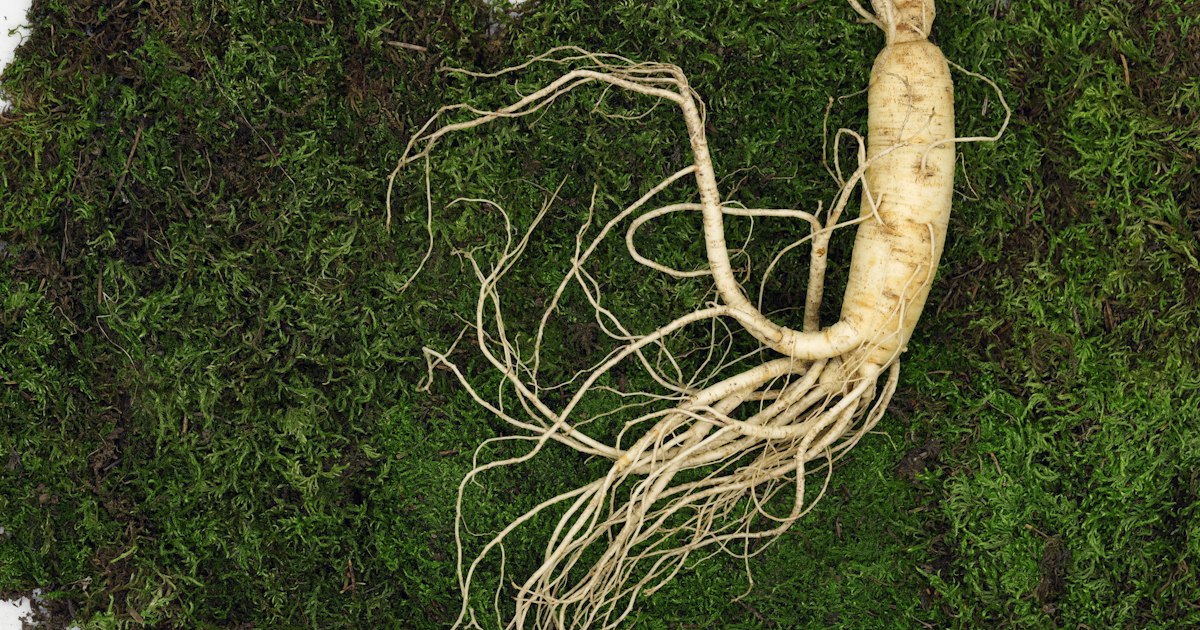
Ashwagandha (Withania somnifera) and rose root rhodiola (Rhodiola rosea) often sit side by side on the shelf of 'anti-stress' supplements, yet botanically and historically they are entirely different plants. Ashwagandha is a shrub of the nightshade family that has been used in Ayurvedic medicine for more than two thousand years. Rhodiola is a perennial herb of the stonecrop family that grows in mountainous and subarctic regions of Eurasia, including the Carpathians, where it is known as 'golden root'.
Both plants are classified as adaptogens - substances that, by the classic definition, increase the body's nonspecific resistance to stress factors. The term itself was born in Soviet pharmacology in the mid-20th century, and rhodiola was one of the first subjects of such research. Ashwagandha entered the Western scientific literature later, but today it has more modern randomized trials.
For the consumer, the key difference lies in the 'character' of the action. Ashwagandha is usually described as a calming adaptogen: it reduces feelings of anxiety and helps with sleep. Rhodiola as a stimulating one: it reduces fatigue and supports mental performance during demanding periods. This is a simplification, but it reflects the results of clinical studies well.
Below, our editorial team breaks down what these plants are made of, how they affect the stress system, what exactly the studies showed, and how their safety profiles differ.
Active compounds and standardization
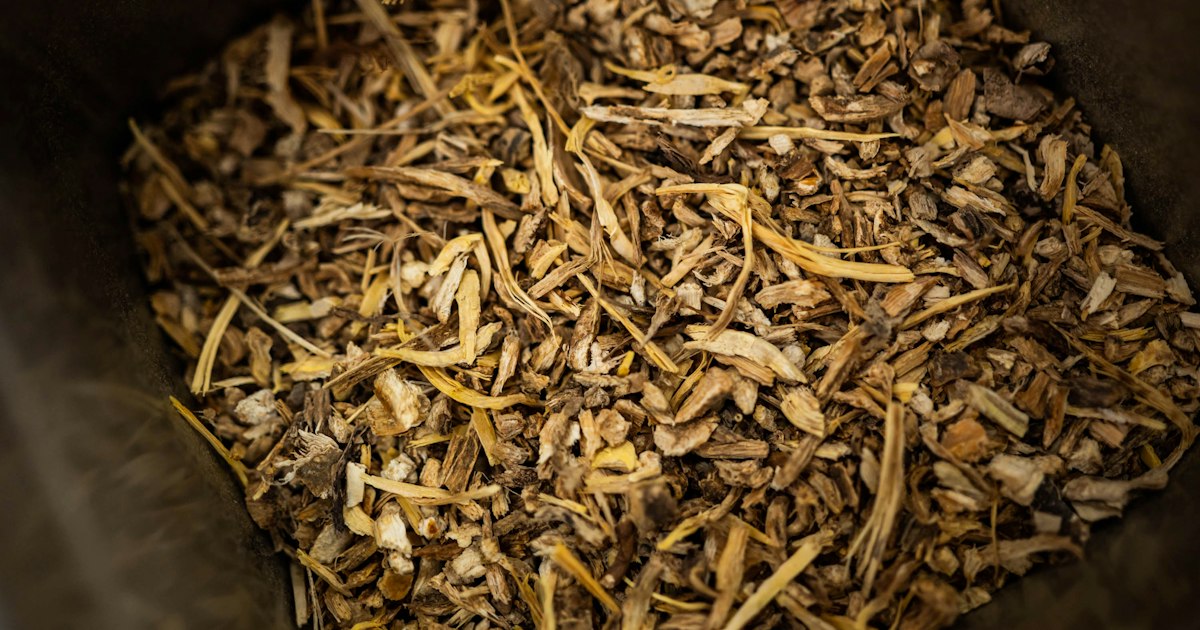
The main biologically active substances in ashwagandha are withanolides, steroidal lactones, of which withaferin A and withanolide D are the most studied. In addition, the root contains alkaloids and saponins. Quality extracts are standardized by withanolide content; in various commercial forms this figure ranges from roughly 1.5 to 5% and higher.
In rhodiola, the active substances are considered to be phenylpropanoids - rosavin, rosin, and rosarin (together 'rosavins') - as well as the phenylethanoid salidroside. Rosavins are characteristic specifically of Rhodiola rosea, whereas salidroside is also found in other species of the genus. Therefore, the presence of rosavins in a certificate of analysis is a simple way to distinguish genuine rose root rhodiola from cheaper substitutes.
A common standard for rhodiola is about 3% rosavins and 1% salidroside, which corresponds to the natural ratio in the root. The most clinical data has been obtained for the SHR-5 extract, so study results cannot be automatically transferred to any root powder.
For ashwagandha, the form also matters: studies mainly used root extracts (for example, KSM-66) or root-with-leaf extracts (Sensoril), and these differ in their withanolide profile. Comparing 'ashwagandha in general' with 'rhodiola in general' is correct only at the level of general trends.
| Parameter | Ashwagandha | Rose root rhodiola |
|---|---|---|
| Plant family | Nightshade | Stonecrop |
| Raw material | Root (sometimes leaves) | Root and rhizome |
| Marker compounds | Withanolides | Rosavins, salidroside |
| Typical 'character' | Calming | Toning |
| Best-studied extracts | KSM-66, Sensoril | SHR-5 |

How they act on the stress system
Both plants affect the hypothalamic-pituitary-adrenal axis - the system that regulates cortisol production. However, the mechanisms are described differently. For ashwagandha, human studies have repeatedly recorded a reduction in serum cortisol levels compared with placebo, and animal experiments have shown GABA-mimetic activity, which explains the sedative component.
Panossian and Wikman associate rhodiola with modulation of 'stress response mediators': heat shock proteins, JNK kinase, nitric oxide, and neuropeptide Y. Put more simply, it does not so much 'extinguish' stress as help cells cope with it more efficiently while maintaining performance. An effect on the metabolism of monoamines - serotonin, dopamine, and noradrenaline - has also been described.
Hence the difference in subjective sensations. After several weeks of taking ashwagandha, people more often report a calmer state and better sleep. After rhodiola - less fatigue and clarity of thought, with the effect sometimes noticeable even after the first doses.
It is important to note that all these mechanisms have been studied mostly in preclinical models. In humans we see the integrated result - changes in stress, fatigue, or anxiety questionnaires - and we cannot always say exactly which molecule is responsible for it.
What clinical studies show
For ashwagandha, most data concern stress and anxiety. In a study by Chandrasekhar et al. (2012), 60 days of taking root extract reduced stress measures and cortisol levels compared with placebo. Similar results were obtained by Lopresti et al. in 2019. For athletes, the work of Wankhede et al. (2015) is of interest: in untrained men, ashwagandha combined with strength training produced greater gains in strength and muscle than placebo.
Rhodiola is better studied in the context of fatigue. In a crossover study by Darbinyan et al. (2000), low doses of SHR-5 extract improved the mental performance of physicians during night shifts. Olsson et al. (2009) showed a reduction in symptoms in people with stress-related fatigue. At the same time, a systematic review by Ishaque et al. (2012) noted the inconsistency of the data and the low quality of many studies.
As for physical performance, the data for rhodiola are ambiguous: some studies recorded improved endurance or reduced perceived exertion, others did not. For ashwagandha there are a few small studies on strength and VO2max, but they were mostly funded by extract manufacturers.
So the evidence base of ashwagandha is broader regarding stress, sleep, and training adaptations, and that of rhodiola regarding mental fatigue. Neither plant has a quality of evidence comparable to creatine or caffeine.
Safety and contraindications
In short-term studies, both plants were well tolerated. For ashwagandha, gastrointestinal discomfort and drowsiness are most often described. However, there are reports of drug-induced liver injury: Björnsson et al. (2020) described a series of such cases in Iceland and the USA. This is a rare but serious phenomenon, so any jaundice or darkening of the urine is a reason to stop taking it immediately.
Ashwagandha can affect thyroid function, raising the levels of its hormones, so people with hyperthyroidism or those taking levothyroxine need to consult a doctor. It is not recommended during pregnancy, and it is combined with caution with sedative medications. Regulators in some EU countries, in particular Denmark, have restricted the sale of ashwagandha in supplements.
Rhodiola, due to its toning action, can cause irritability, insomnia, or mild increased excitation, especially when taken in the evening. It is combined with caution with antidepressants and stimulants. The EMA's Committee on Herbal Medicinal Products recognized rhodiola as a traditional herbal remedy for the relief of stress symptoms, but does not recommend it for children and pregnant women due to a lack of data.
- Ashwagandha:liver, thyroid gland, pregnancy, sedative medications, autoimmune diseases.
- Rhodiola:bipolar disorder, stimulants, antidepressants, evening use.
Neither plant is on the WADA Prohibited List, but for athletes the risk of supplement contamination is always relevant, so it is worth choosing products with independent certification.
Editorial conclusions
Ashwagandha and rhodiola are adaptogens with different 'temperaments'. Ashwagandha acts more slowly and gently, reducing anxiety and improving sleep, and also has some data on training adaptations. Rhodiola more quickly affects the sense of fatigue and mental performance, but its evidence base is less consistent.
The differences also concern chemical composition, standardization, and safety: for ashwagandha the key issues are the liver and thyroid gland, for rhodiola - excessive stimulation.
When choosing a product, pay attention to the type of extract, standardization by marker compounds, and the availability of independent analyses, not just the name of the plant on the label.
If this topic interests you, we also recommend reading our materials 'Ashwagandha vs Rhodiola: What to Choose and for Whom', a review of adaptogens for athletes, and an article on the role of cortisol in recovery after training.
References
- Chandrasekhar K, Kapoor J, Anishetty S. A prospective, randomized double-blind, placebo-controlled study of safety and efficacy of a high-concentration full-spectrum extract of ashwagandha root in reducing stress and anxiety in adults. Indian J Psychol Med. 2012;34(3):255–262.
- Wankhede S, Langade D, Joshi K, Sinha SR, Bhattacharyya S. Examining the effect of Withania somnifera supplementation on muscle strength and recovery: a randomized controlled trial. J Int Soc Sports Nutr. 2015;12:43.
- Björnsson HK, Björnsson ES, Avula B, et al. Ashwagandha-induced liver injury: a case series from Iceland and the US Drug-Induced Liver Injury Network. Liver Int. 2020;40(4):825–829.
- Panossian A, Wikman G. Effects of adaptogens on the central nervous system and the molecular mechanisms associated with their stress-protective activity. Pharmaceuticals (Basel). 2010;3(1):188–224.
- Darbinyan V, Kteyan A, Panossian A, et al. Rhodiola rosea in stress induced fatigue — a double blind cross-over study of a standardized extract SHR-5 with a repeated low-dose regimen on the mental performance of healthy physicians during night duty. Phytomedicine. 2000;7(5):365–371.
- Olsson EM, von Schéele B, Panossian AG. A randomised, double-blind, placebo-controlled, parallel-group study of the standardised extract SHR-5 of the roots of Rhodiola rosea in the treatment of subjects with stress-related fatigue. Planta Med. 2009;75(2):105–112.
- Ishaque S, Shamseer L, Bukutu C, Vohra S. Rhodiola rosea for physical and mental fatigue: a systematic review. BMC Complement Altern Med. 2012;12:70.
- European Medicines Agency, Committee on Herbal Medicinal Products (HMPC). Community herbal monograph on Rhodiola rosea L., rhizoma et radix. London: EMA; 2012.
Andriy Melnyk
A strength-sports coach and author of programs for beginner and intermediate levels. Writes about training planning.