Tongkat Ali or Tribulus: What's the Difference
Tongkat ali and tribulus are sold as 'natural testosterone boosters', often in the same lineup and even in the same capsule. However, in chemistry, mechanisms, and research results these plants differ dramatically. Our editorial team looked into what lies behind their reputation.
Origin and traditions of use
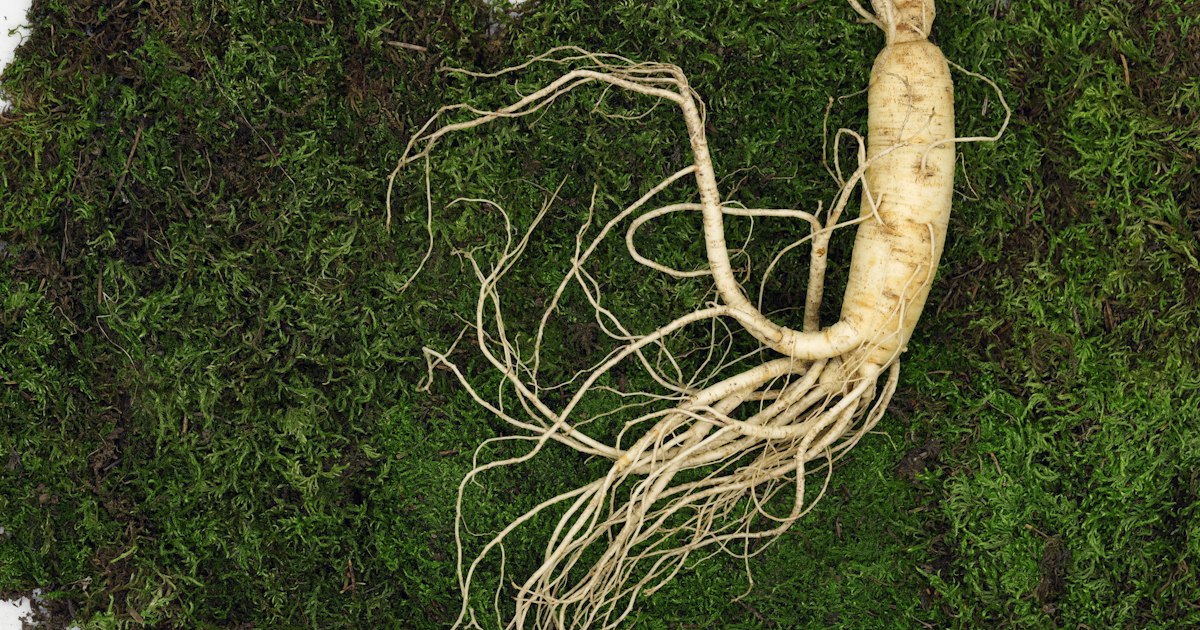
Tongkat ali (Eurycoma longifolia) is a small tree from the tropical forests of Malaysia, Indonesia, and Thailand. In the folk medicine of Southeast Asia, a decoction of its root was used as a tonic and to support male vigor. The Malay name of the plant means roughly 'Ali's walking stick', hinting at its reputation as an aphrodisiac.
Tribulus (Tribulus terrestris), or puncture vine, is a herbaceous plant of the caltrop family that grows on arid soils around the world, including in southern Ukraine. In Ayurveda and traditional Chinese medicine, its fruits were used for genitourinary disorders. Tribulus gained worldwide popularity in sport thanks to a Bulgarian preparation that has been positioned since the 1970s as a means of increasing libido and fertility.
Despite the shared marketing image of 'natural testosterone boosters', these plants have nothing in common either botanically or chemically. Different parts of the plant, different classes of active substances, and, as it turned out, different effectiveness in controlled studies.
Next, our editorial team compares tongkat ali and tribulus by chemical composition, claimed mechanisms, clinical study results, and safety.
Active substances: quassinoids versus saponins
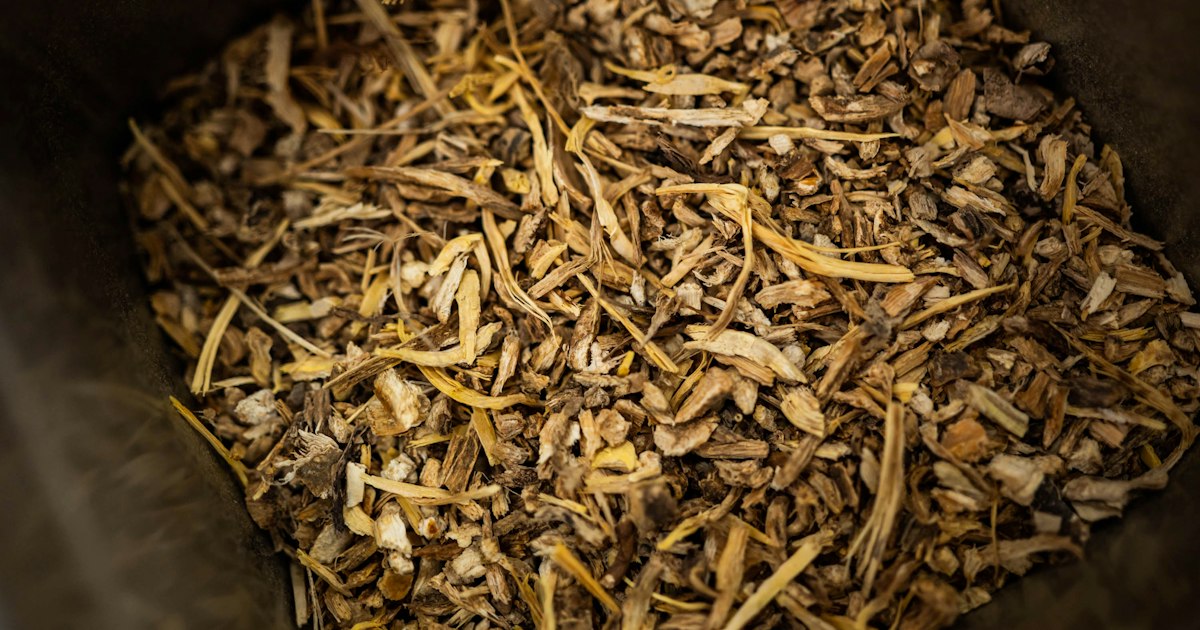
The characteristic compounds of tongkat are quassinoids, bitter diterpenoids, the best known of which is eurycomanone. In addition, the root contains alkaloids and small peptides, the so-called eurypeptides. The most research has been done with standardized water-soluble root extracts, in which the content of eurycomanone and polysaccharides is controlled.
Tribulus contains steroidal saponins of the furostanol and spirostanol types. Protodioscin is traditionally considered the main marker. Saponin content depends heavily on geography: samples from different regions can differ several-fold, and in some of them there is almost no protodioscin, which complicates comparison of studies.
Standardization of tribulus is usually stated as a percentage of 'total saponins' - a measure that can include completely different compounds. For tongkat there is also a problem: some cheap products are sold as '200:1 extract' without indicating marker substances.
| Parameter | Tongkat ali | Tribulus |
|---|---|---|
| Part of the plant | Root | Fruits, aerial part |
| Key compounds | Quassinoids (eurycomanone), eurypeptides | Steroidal saponins (protodioscin) |
| Region of origin | Southeast Asia | Cosmopolitan |
| Standardization | Eurycomanone, polysaccharides | Total saponins, protodioscin |
Claimed mechanisms of action
For tongkat, preclinical work has described several possible pathways of effect on androgens: stimulation of testosterone production by Leydig cells, inhibition of aromatase, and a reduction in the fraction of testosterone bound to SHBG globulin. Its effect on cortisol is discussed separately, since chronic stress suppresses the gonadal axis.
Tribulus was long advertised as an agent that raises luteinizing hormone and therefore testosterone. This hypothesis came mostly from animal studies. Another proposed mechanism is the effect of protodioscin on nitric oxide production in cavernous tissue, which could explain an effect on erectile function independently of hormones.
In other words, tongkat is a candidate for a 'hormonal' action, and tribulus rather for a 'vascular-sexual' one. This is a fundamental difference, which agrees well with the results of human studies.
It should be remembered that mechanisms demonstrated in a test tube or in rats at high doses do not guarantee reproduction of the effect in humans under real conditions of use.
What human studies showed
A meta-analysis by Leisegang et al. (2022) combined clinical studies of tongkat and concluded that the extract statistically significantly raises total testosterone in men, with the effect being more noticeable in people with a reduced baseline level. Tambi et al. (2012) described improvement in men with age-related hypogonadism, and Talbott et al. (2013) - a reduction in cortisol and improved mood in people with moderate stress.
For tribulus the picture is the opposite. A randomized study by Neychev and Mitev (2005) found no changes in testosterone, androstenedione, or LH in young men. A systematic review by Qureshi et al. (2014) concluded that the data do not support an effect of tribulus on androgens in humans, although some studies record an improvement in libido.
As for athletic performance, a study by Rogerson et al. (2007) in rugby players showed no advantages of tribulus in strength gains or changes in body composition. For tongkat there are small studies in elderly people (Henkel, 2014), which noted improvements in strength, but the samples are very small.
So the evidence base of tongkat is modest but more consistent on the question of hormones. Tribulus has a reputation that controlled studies have not confirmed regarding testosterone.
Safety and anti-doping aspects
In clinical studies, tongkat was usually well tolerated. However, for products from Southeast Asia a problem of contamination with heavy metals, in particular mercury and lead, has been described, as well as adulteration with synthetic drugs for treating erectile dysfunction. Therefore the origin and laboratory control of the raw material are critically important here.
Tribulus in studies was also mostly tolerated without serious problems, although the literature contains isolated descriptions of liver and kidney injury against a background of consuming large amounts of the plant or its decoctions. Side effects such as stomach upset occur with both plants.
Neither plant is included in the WADA Prohibited List. However, Pokrywka et al. (2014) pointed out that supplements with tribulus are a common category among athletes, and the market of sports 'boosters' in general carries a high risk of contamination with prohormones and stimulants.
- choose products with independent testing for heavy metals and doping substances;
- avoid 'proprietary blends' without stating the amount of each component;
- when taking medications for blood pressure, diabetes, or anticoagulants, consult a doctor.
Editorial conclusions
Tongkat ali and tribulus look similar only on the store shelf. These are different plants with different active substances: the quassinoids of tongkat root versus the steroidal saponins of tribulus.
For tongkat there is a meta-analysis indicating a moderate increase in testosterone, especially in men with reduced levels. Tribulus in controlled studies does not raise testosterone, and its possible effect concerns libido.
Neither plant has convincing evidence of a substantial effect on strength and muscle mass in trained people.
To decide on your choice, read our material 'Tongkat Ali vs Tribulus: What to Choose and for Whom', as well as articles on Fadogia agrestis and on tests for assessing the hormonal profile in men.
References
- Leisegang K, Finelli R, Sikka S, Panner Selvam MK. Eurycoma longifolia (Jack) improves serum total testosterone in men: a systematic review and meta-analysis of clinical trials. Medicina (Kaunas). 2022;58(8):1047.
- Tambi MI, Imran MK, Henkel RR. Standardised water-soluble extract of Eurycoma longifolia, Tongkat ali, as testosterone booster for managing men with late-onset hypogonadism? Andrologia. 2012;44 Suppl 1:226–230.
- Talbott SM, Talbott JA, George A, Pugh M. Effect of Tongkat Ali on stress hormones and psychological mood state in moderately stressed subjects. J Int Soc Sports Nutr. 2013;10(1):28.
- Henkel RR, Wang R, Bassett SH, et al. Tongkat Ali as a potential herbal supplement for physically active male and female seniors — a pilot study. Phytother Res. 2014;28(4):544–550.
- Neychev VK, Mitev VI. The aphrodisiac herb Tribulus terrestris does not influence the androgen production in young men. J Ethnopharmacol. 2005;101(1–3):319–323.
- Qureshi A, Naughton DP, Petroczi A. A systematic review on the herbal extract Tribulus terrestris and the roots of its putative aphrodisiac and performance enhancing effect. J Diet Suppl. 2014;11(1):64–79.
- Rogerson S, Riches CJ, Jennings C, et al. The effect of five weeks of Tribulus terrestris supplementation on muscle strength and body composition during preseason training in elite rugby league players. J Strength Cond Res. 2007;21(2):348–353.
- Pokrywka A, Obmiński Z, Malczewska-Lenczowska J, et al. Insights into supplements with Tribulus terrestris used by athletes. J Hum Kinet. 2014;41:99–105.
Andriy Melnyk
A strength-sports coach and author of programs for beginner and intermediate levels. Writes about training planning.