Tongkat Ali or Fadogia: What's the Difference
Tongkat ali and Fadogia agrestis are often advertised as the ideal pair for 'natural testosterone'. But while one plant has clinical studies, the other is known to science only from experiments on rats. Our editorial team explains what the difference is.
Two plants - two different stories
Tongkat ali (Eurycoma longifolia) and Fadogia agrestis have often been mentioned together in recent years - mainly thanks to popular podcasts about 'testosterone optimization'. They are even recommended to be taken as a pair. However, apart from the marketing goal, these plants have little in common.
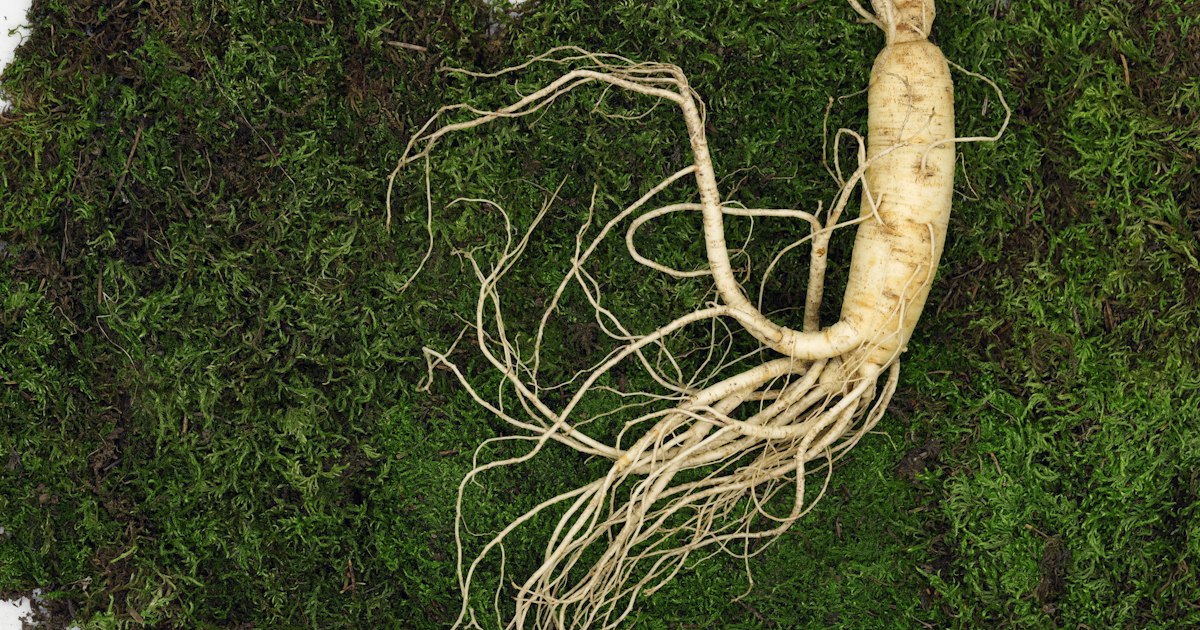
Tongkat is a tree from the tropical forests of Southeast Asia, whose root has been used for centuries in traditional Malay medicine. Fadogia is a shrub of the madder family from the savannas of West Africa, primarily Nigeria, where a decoction of its stem was used in folk medicine as an aphrodisiac.
The main difference is not in geography but in the volume of scientific data. For tongkat there are dozens of clinical studies and even meta-analyses. For fadogia - not a single published randomized human study: everything we know about its action has been obtained from laboratory rats.
In this review, our editorial team compares the plants by composition, mechanisms, level of evidence, and, especially important in the case of fadogia, by potential risks.
Composition and standardization
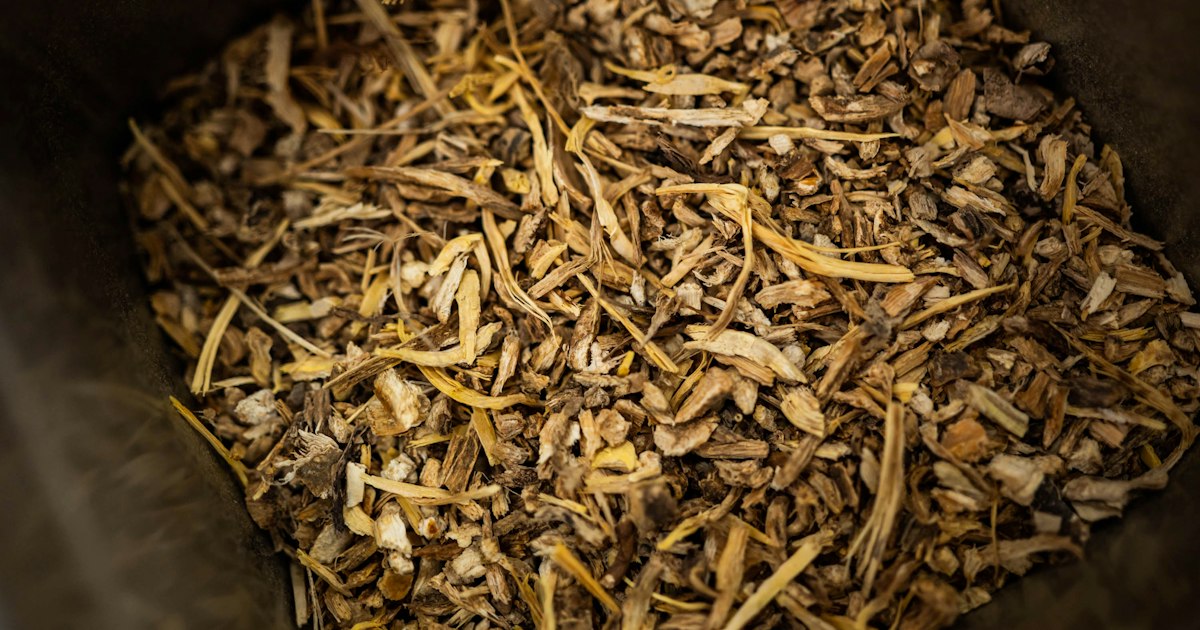
The chemistry of tongkat is relatively well studied. The main active compounds are quassinoids, in particular eurycomanone, as well as eurypeptides and polysaccharides. For clinical studies, standardized water-soluble root extracts were used, whose composition is controlled by marker substances.
Much less is known about fadogia. Phytochemical screening of an aqueous stem extract revealed alkaloids, saponins, flavonoids, and tannins, but the specific compound responsible for the hormonal effects has not yet been established. Accordingly, there is no generally accepted marker for standardization.
In practice this means that most products with fadogia are sold as '10:1' or '20:1 extract' without indicating the content of any active substance. The consumer cannot know how much one brand's capsule corresponds to another's.
| Parameter | Tongkat ali | Fadogia agrestis |
|---|---|---|
| Region | Southeast Asia | West Africa |
| Raw material | Root | Stem |
| Known active compounds | Quassinoids, eurypeptides | Not identified |
| Standardization | By eurycomanone | Only extraction ratio |
| Human studies | Yes, including a meta-analysis | Absent |

Mechanisms: what is known and what are hypotheses
For tongkat, several mechanisms are discussed: stimulation of steroidogenesis in Leydig cells, an effect on aromatase, a reduction in the binding of testosterone to SHBG, and a reduction in cortisol. Some of these have been shown in vitro and in animals, and hormonal changes in humans have been confirmed by clinical studies.
For fadogia, the work of Yakubu et al. (2005) in male rats showed that an aqueous stem extract raises serum testosterone levels and enhances measures of sexual behavior. The authors suggested stimulation of pituitary hormones that govern the work of the testicles, but this mechanism has not been verified in humans.
It is important to note that the rat study used doses calculated per kilogram of body weight, and direct transfer of such doses to humans is incorrect. Moreover, a result obtained in a single laboratory and not reproduced by independent groups cannot be considered reliable.
So regarding tongkat we can speak of 'likely mechanisms with a confirmed moderate effect', and regarding fadogia - only of a hypothesis formulated on the basis of an animal model.
An alarming signal regarding the testicles
The most important difference between the plants concerns safety. In a subsequent work by the same group, Yakubu et al. (2008) studied measures of testicular function in rats that received fadogia extract. The authors described changes in enzyme activity and in the composition of testicular tissue, which they interpreted as signs of possible toxicity.
These data were obtained in animals and cannot be directly extrapolated to humans. But precisely the absence of human studies means that we have no data that would refute such a risk. For an organ on which both testosterone production and fertility depend, this is a substantial question.
For tongkat, no such signals have been recorded in clinical studies. Its risks are associated mainly with the quality of the raw material: products from the region have been reported to contain heavy metal impurities and undeclared synthetic drugs.
- Tongkat ali:short-term safety studied in clinical trials; the risk is product contamination.
- Fadogia:safety for humans not studied; in rats - signals of possible testicular toxicity.
Our editorial team believes that the popularity of fadogia has significantly outpaced the scientific data, and this difference should be taken into account by anyone considering taking it.
Editorial conclusions
Tongkat ali and Fadogia agrestis are only positioned identically. Tongkat is a plant with a known composition, standardized extracts, and clinical data indicating a moderate increase in testosterone in men with reduced levels.
Fadogia is a plant without identified active substances, without standardization, and without human studies. Everything known about it comes from a few experiments on rats, some of which indicate possible testicular toxicity.
Popularity on social media and in podcasts does not replace clinical studies, and for health decisions it is precisely the latter that matters.
We break down the practical aspects of choosing in the material 'Tongkat Ali vs Fadogia: What to Choose and for Whom'. We also recommend our articles on tongkat ali and tribulus and on how to properly take testosterone tests.
References
- Leisegang K, Finelli R, Sikka S, Panner Selvam MK. Eurycoma longifolia (Jack) improves serum total testosterone in men: a systematic review and meta-analysis of clinical trials. Medicina (Kaunas). 2022;58(8):1047.
- Tambi MI, Imran MK, Henkel RR. Standardised water-soluble extract of Eurycoma longifolia, Tongkat ali, as testosterone booster for managing men with late-onset hypogonadism? Andrologia. 2012;44 Suppl 1:226–230.
- Talbott SM, Talbott JA, George A, Pugh M. Effect of Tongkat Ali on stress hormones and psychological mood state in moderately stressed subjects. J Int Soc Sports Nutr. 2013;10(1):28.
- Henkel RR, Wang R, Bassett SH, et al. Tongkat Ali as a potential herbal supplement for physically active male and female seniors — a pilot study. Phytother Res. 2014;28(4):544–550.
- Yakubu MT, Akanji MA, Oladiji AT. Aphrodisiac potentials of the aqueous extract of Fadogia agrestis (Schweinf. Ex Hiern) stem in male albino rats. Asian J Androl. 2005;7(4):399–404.
- Yakubu MT, Akanji MA, Oladiji AT. Effects of oral administration of aqueous extract of Fadogia agrestis stem on some testicular function indices of male rats. J Ethnopharmacol. 2008.
- Geyer H, Parr MK, Koehler K, et al. Nutritional supplements cross-contaminated and faked with doping substances. J Mass Spectrom. 2008;43(7):892–902.
Andriy Melnyk
A strength-sports coach and author of programs for beginner and intermediate levels. Writes about training planning.